
"roasted coffee acids"
20000 article(s) found

What are the recommendations for sour coffee beans? introduction to the taste characteristics of shallow roasted coffee beans
Professional coffee knowledge exchange more coffee bean information Please follow the coffee workshop (Wechat official account cafe_style). On weekdays, you can get in touch with all kinds of guests at the bar. A considerable number of these guests are unaccustomed to sour coffee beans, while usually sour coffee is roasted.
Basic knowledge of sour Coffee
Miss, why is the breakfast coffee sour today? I don't like it. Could you give me a cup of coffee that is not sour? This problem has been bothering coffee makers. Most people mistakenly think that coffee is sour if it is not fresh, and sour coffee is not good. This is really a great smear and misunderstanding! In fact, coffee itself is an acidic drink. Whether coffee is sour or not depends on the baking degree and roasting of beans.

How does the coffee taste when it's deep roasted?
Deep roast coffee differs from other coffees in the mixing process of the basic tastes. Due to the intense thermal decomposition of coffee beans, most of the sugar in coffee is broken down. Loss of sweetness in taste. Due to the addition of carbolic compounds, sweetness is replaced by bitterness. Bitterness is often misunderstood. Bitterness in food is often regarded as something bad. However, in certain foods,

Coffee common sense coffee roasting awakens the strongest aroma in the world
Grab a handful of coffee raw beans smell, there is always a pungent smell, very different from the impression of the charming smell of coffee. However, after roasting "fragrance" correctly, raw beans will emit the strongest aroma in the world. The small high-altitude Arabica coffee raw beans are like a warehouse full of chemicals. At present, scientists have identified more than 2,000 known ingredients, including 700 to 700.

Fine coffee learning coffee roasting awakens the strongest aroma in the world
Grab a handful of coffee raw beans smell, there is always a pungent smell, very different from the impression of the charming smell of coffee. However, after roasting "fragrance" correctly, raw beans will emit the strongest aroma in the world. The small high-altitude Arabica coffee raw beans are like a warehouse full of chemicals. At present, scientists have identified more than 2,000 known ingredients, including 700 to 700.
Coffee basics several acids in roasted coffee
There are mainly the following kinds of acids in roasted coffee-Zheng Wei (Italian Coffee University). According to the first edition of the chemistry of quality, there are mainly the following acids in roasted coffee: formic acid is the most in shallow roasting, and acetic acid decreases with the deepening of deep roasting, and decreases with the deepening of deep roasting.

Coffee roasting is the process of awakening the strongest aroma in the world.
Grab a handful of coffee raw beans smell, there is always a pungent smell, very different from the impression of the charming smell of coffee. However, after roasting "fragrance" correctly, raw beans will emit the strongest aroma in the world. The small high-altitude Arabica coffee raw beans are like a warehouse full of chemicals. At present, scientists have identified more than 2,000 known ingredients, including 700 to 700.
Coffee roasting awakens the strongest aroma in the world
Grab a handful of coffee raw beans smell, there is always a pungent smell, very different from the impression of the charming coffee fragrance. However, after the raw beans are roasted correctly, they will give off the strongest fragrance in the world.
The common sense of coffee roasting awakens the strongest aroma in the world
Grab a handful of coffee raw beans smell, there is always a pungent smell, very different from the impression of the charming smell of coffee. However, after roasting "fragrance" correctly, raw beans will emit the strongest aroma in the world. The small high-altitude Arabica coffee raw beans are like a warehouse full of chemicals. At present, scientists have identified more than 2,000 known ingredients, including 700 to 700.
Boutique coffee roasting knowledge of acid in roasted coffee
Formic acid is the most in shallow baking, and acetic acid is the most in shallow baking with the deepening of deep baking. with the deepening of deep baking, pyruvate and baking degree-independent lactic acid and baking degree-independent malic acid are the most in shallow baking, and citric acid is the most in shallow baking with the deepening of deep baking.
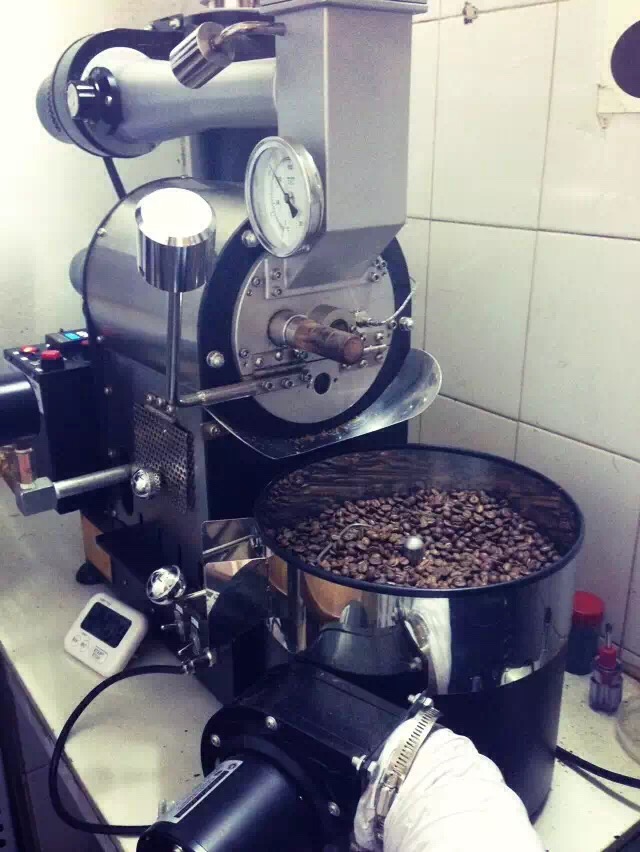
The roasting of coffee beans awakens the strongest aroma in the world and makes you fall in love with it deeply.
Guide: grab a handful of coffee raw beans smell, there is always a pungent smell, very different from the impression of the charming smell of coffee. However, after roasting "fragrance" correctly, raw beans will emit the strongest aroma in the world. Grab a handful of coffee raw beans smell, there is always a pungent smell, very different from the impression of the charming smell of coffee. However, when raw beans are roasted correctly, they will be fragrant.

There are mainly several kinds of acids in roasted coffee.
There are mainly the following kinds of acids in roasted coffee-Zheng Wei (Italian Coffee University). According to the first edition of the chemistry of quality, there are mainly the following acids in roasted coffee: formic acid is the most in shallow roasting, and acetic acid decreases with the deepening of deep roasting, and decreases with the deepening of deep roasting.
Where does coffee come from sour, bitter, sweet and sweet? Understand the composition of coffee and coffee roasting
For professional baristas, please follow the coffee workshop (official Wechat account cafe_style). Why do some coffees taste sour like plums? Some even smell like fruit vinegar. Why do some beans look so shiny? Is it because it has been kept for a long time? Why do some coffees taste bitter? And caffeine. . . . Is it caffeine the longer the coffee is roasted?

Detailed Analysis of Coffee Bean ingredients basic knowledge of Fine Coffee
Moisture: the water content of coffee beans varies greatly with different processing stages and products. The moisture content of wet coffee beans with film is about 50%, while that of dried raw coffee beans is about 10%-13%. The water content of roasted coffee beans is only less than 5%. The existence of water in coffee beans is the same as other kinds of food and beverages, because it contains a considerable amount of hydration colloid macromolecules.

Analysis of main components of cooked Coffee beans in Yunnan
Follow Ka Pin (Wechat official account vdailycom) found that the beautiful cafe opened a small shop of its own-Shenyang, the birthplace of China, has a lot of authentic cuisine. There is a melting pot of culture. the ancient city with a history of more than 5000 years, the first capital of the Qing Dynasty, was once called Xishui, Fengtian, Shengjing and so on. There are Hui, Xian and Japanese communities there.
Detailed analysis of mineral carbohydrates in coffee beans
Moisture: the water content of coffee beans varies greatly with different processing stages and products. The moisture content of wet coffee beans with film is about 50%, while that of dried raw coffee beans is about 10%-13%. The water content of roasted coffee beans is only less than 5%. The existence of water in coffee beans is the same as other kinds of food and beverages, because it contains a considerable amount of hydration colloid macromolecules.

Detailed analysis of low molecular weight sugars in coffee beans
Moisture: the water content of coffee beans varies greatly with different processing stages and products. The moisture content of wet coffee beans with film is about 50%, while that of dried raw coffee beans is about 10%-13%. The water content of roasted coffee beans is only less than 5%. The existence of water in coffee beans is the same as other kinds of food and beverages, because it contains a considerable amount of hydration colloid macromolecules.

Detailed Analysis of Coffee Bean ingredients basic knowledge of Fine Coffee
Moisture: the water content of coffee beans varies greatly with different processing stages and products. The moisture content of wet coffee beans with film is about 50%, while that of dried raw coffee beans is about 10%-13%. The water content of roasted coffee beans is only less than 5%. The existence of water in coffee beans is the same as other kinds of food and beverages, because it contains a considerable amount of hydration colloid macromolecules.

Boutique coffee roasting light roasted coffee stimulation of slight acid
Accustomed to drinking deep-roasted coffee that is monotonous and unfruitful, do you want to try light-roasted coffee that is clear and layered? According to Leaving, coffee itself is an acidic beverage. Whether coffee is sour or not depends on the baking degree of beans. The longer the roasting time is, the higher the caramelization degree is, and the more acidic substances are destroyed, the less sour it is, the shorter the baking time, and the caramelization process.

Detailed analysis of the ingredients of coffee beans general knowledge of fine coffee
Moisture: the water content of coffee beans varies greatly with different processing stages and products. The moisture content of wet coffee beans with film is about 50%, while that of dried raw coffee beans is about 10%-13%. The water content of roasted coffee beans is only less than 5%. The existence of water in coffee beans is the same as other kinds of food and beverages, because it contains a considerable amount of hydration colloid macromolecules.